
Mastering the Art of CPG Brand Storytelling Techniques

Alright, let’s cut to the chase. If you’re in the consumer packaged goods (CPG) world, you know the market is a jungle. Everyone’s shouting, “Buy me! I’m the best!” But here’s the secret sauce: storytelling. Not just any story, but the kind that sticks, clicks, and sells. Ready to become a storytelling ninja? Let’s dive into the wild world of cpg brand storytelling techniques that actually work.
Why CPG Brand Storytelling Techniques Matter
You might be thinking, “It’s just soap, cereal, or snacks. How much story can there be?” Oh, honey, there’s a whole saga behind every product. People don’t just buy products; they buy feelings, values, and experiences.
Here’s the deal: a killer story makes your brand memorable. It builds trust. It creates emotional connections. And in a sea of sameness, it’s your lighthouse.
Think about it. When was the last time you bought a product just because it had a cool logo? Probably never. But when a brand tells a story that resonates, you’re hooked. You become a fan, a loyalist, a walking billboard.
Practical Tips to Nail Your Storytelling
Keep it simple: No one wants a novel on a cereal box.
Be authentic: Don’t fake it. People smell BS from a mile away.
Use emotions: Make them laugh, cry, or feel inspired.
Show, don’t tell: Use visuals, videos, and real-life examples.
Be consistent: Your story should echo across all channels.

Top CPG Brand Storytelling Techniques You Can Steal
Let’s get down to business. Here are some tried-and-true techniques that will turn your brand story from “meh” to “heck yeah!”
1. The Origin Story
Everyone loves a good origin story. Where did your brand come from? What problem did you solve? Why did you start? This technique humanizes your brand and makes it relatable.
Example: A small family farm that started making organic jams because they couldn’t find healthy options for their kids. Boom - instant connection.
2. The Customer Hero
Flip the script. Make your customer the hero of the story, and your product the trusty sidekick. Show how your product helps them conquer daily challenges.
Example: A cleaning spray that helps busy parents keep their homes spotless without sacrificing time with their kids.
3. The Value-Driven Narrative
People want to support brands that stand for something. Highlight your values - sustainability, cruelty-free, local sourcing, whatever floats your boat.
Example: A snack brand that donates a portion of profits to environmental causes.
4. The Sensory Experience
CPG products are all about senses. Use vivid descriptions and visuals to make your audience taste, smell, or feel your product through your story.
Example: “Imagine the crisp snap of our artisan crackers paired with creamy, dreamy cheese.”
5. The Future Vision
Paint a picture of the future your brand is working towards. Inspire your audience to join you on that journey.
Example: A beverage company aiming to reduce plastic waste by 50% in five years.
Bonus: Mix and Match
Don’t be shy to combine these techniques. A killer origin story with a strong value-driven message? Yes, please.
What is CPG Storytelling?
Let’s break it down. CPG storytelling is the art of crafting narratives around consumer packaged goods to create emotional bonds with customers. It’s not just about the product features or price tags. It’s about why your product exists and how it fits into your customer’s life.
Think of it as the heartbeat of your brand. It’s the difference between a random item on a shelf and a must-have in someone’s pantry.
Why It’s Different from Other Storytelling
Short and sweet: CPG stories need to be punchy because attention spans are short.
Multi-sensory: They often tap into taste, smell, and touch.
Highly visual: Packaging and design play a huge role.
Emotionally charged: They connect on a personal level.
How to Craft Your CPG Story
Identify your brand’s core purpose.
Understand your audience’s needs and desires.
Find the emotional hook.
Use simple, relatable language.
Leverage visuals and packaging.
Tell your story consistently across all touchpoints.
The Role of a cpg brand storyteller in Your Success
Here’s a little insider secret: you don’t have to do it alone. A skilled cpg brand storyteller can take your raw ideas and turn them into compelling narratives that sell.
They know how to:
Dig deep into your brand’s DNA.
Craft stories that resonate with your target market.
Align storytelling with your marketing goals.
Create content that works across digital, print, and social media.
Hiring a pro can save you time, headaches, and most importantly, help you avoid the dreaded “meh” response from your audience.
Bringing Your Story to Life: Practical Steps
Okay, you’ve got the story. Now what? Here’s how to make it pop.
Step 1: Visual Identity
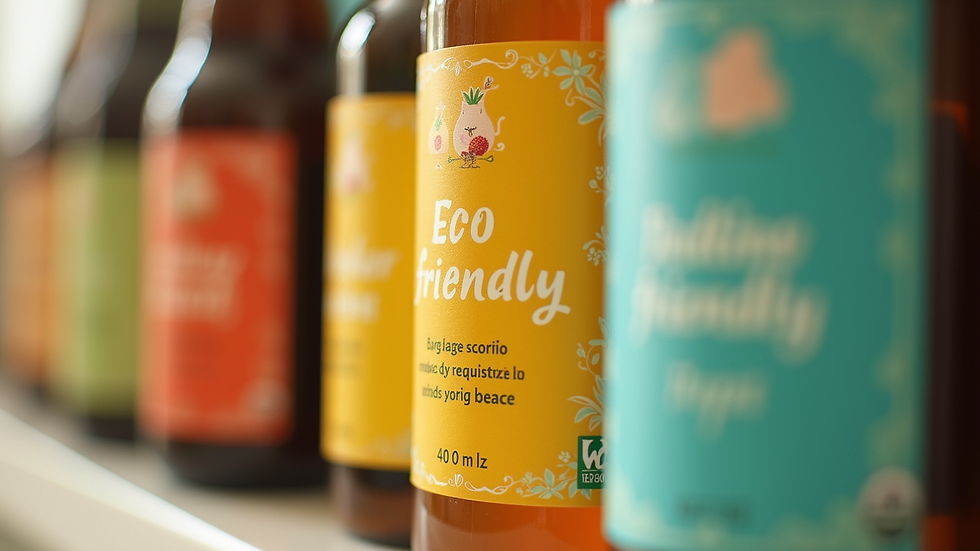
Your story needs a face. Develop packaging, logos, and visuals that reflect your narrative. If your story is about eco-friendliness, your packaging should scream green and clean.
Step 2: Content Creation
Create content that tells your story in different formats:
Videos showing your origin story.
Blog posts about your values.
Social media posts featuring customer stories.
Packaging copy that highlights sensory experiences.
Step 3: Engage Your Audience
Invite your customers to be part of the story. Run contests, ask for testimonials, or share user-generated content. Make them feel like co-authors.
Step 4: Measure and Adapt
Track how your storytelling impacts sales, engagement, and brand loyalty. Use feedback to tweak and improve your narrative.
Ready to Tell Your Brand’s Story?
Storytelling isn’t just a buzzword. It’s a powerful tool that can transform your CPG brand from “just another product” to a beloved staple. Remember, it’s about connection, emotion, and authenticity.
So, grab your story, sprinkle in some personality, and watch your brand come alive. Your customers aren’t just buying a product - they’re buying your story. Make it unforgettable.

Now, go on - tell your story like a pro. Your brand deserves it.


